
 |

| Quantity: | |
|---|---|
|
| |
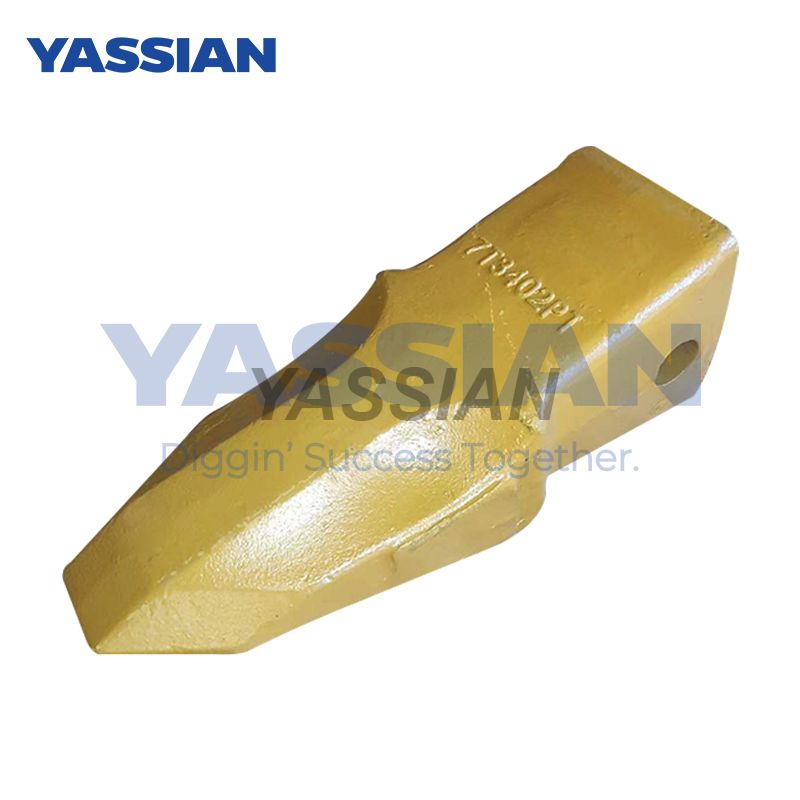
7t3402PT
YASSIAN or Your's
Definition and Function of inner links in construction machinery chains
The inner link of the construction machinery chain (i.e., the inner chain link) is the core component of the chain drive system. Its definition and function are as follows:
I. Definition of Inner Sections
It refers to the chain link unit composed of three parts: inner chain plate, sleeve and roller , which realizes the function through the precise fit relationship:
Inner chain plate and sleeve : Interference fit (interference amount 0.02-0.05mm) is adopted, and a permanent rigid connection is formed through hydraulic press-fitting to ensure structural strength.
The sleeve and pin shaft : the design clearance fit (0.1-0.3mm) forms a rotating pair, providing the bending freedom of the chain.
Roller : It is sleeved on the outside of the sleeve and in direct contact with the tooth groove of the sprocket, converting sliding friction into rolling friction.
Ii. Core Role
Power transmission carrier
The inner chain plate bears the tension of the chain and transmits the torque from the driving sprocket to the driven sprocket. Its tensile strength directly determines the load capacity of the chain.
Motion conversion hub
The clearance fit between the sleeve and the pin shaft forms a hinge pair, enabling the chain to flexibly mesh and bend around the sprocket, adapting to changes in the transmission path.
Friction control component
The roller structure changes the sliding friction at the contact points of the sprocket teeth to rolling friction, reducing power loss. Experiments have confirmed that its coefficient of friction is significantly lower than that of the structure without rollers.
Iii. Manufacturing Process Characteristics
Assembly process : Hydraulic press-fitting is adopted to achieve interference fit connection between the inner chain plate and the sleeve, ensuring permanent consolidation.
Precision control : The gap between the sleeve and the pin shaft should be strictly controlled within the range of 0.1-0.3mm. If it is too large, it will cause shaking; if it is too small, it will lose flexibility.
Material selection : The inner chain plates are mostly made of alloy steel and undergo quenching treatment to enhance tensile strength and fatigue life.
Failure Warning : Failure of the inner section interference fit will cause the chain plate to separate from the sleeve, while excessive clearance fit will lead to abnormal wear or jamming. Regular inspection of the fit dimensions is required.
Definition and Function of inner links in construction machinery chains
The inner link of the construction machinery chain (i.e., the inner chain link) is the core component of the chain drive system. Its definition and function are as follows:
I. Definition of Inner Sections
It refers to the chain link unit composed of three parts: inner chain plate, sleeve and roller , which realizes the function through the precise fit relationship:
Inner chain plate and sleeve : Interference fit (interference amount 0.02-0.05mm) is adopted, and a permanent rigid connection is formed through hydraulic press-fitting to ensure structural strength.
The sleeve and pin shaft : the design clearance fit (0.1-0.3mm) forms a rotating pair, providing the bending freedom of the chain.
Roller : It is sleeved on the outside of the sleeve and in direct contact with the tooth groove of the sprocket, converting sliding friction into rolling friction.
Ii. Core Role
Power transmission carrier
The inner chain plate bears the tension of the chain and transmits the torque from the driving sprocket to the driven sprocket. Its tensile strength directly determines the load capacity of the chain.
Motion conversion hub
The clearance fit between the sleeve and the pin shaft forms a hinge pair, enabling the chain to flexibly mesh and bend around the sprocket, adapting to changes in the transmission path.
Friction control component
The roller structure changes the sliding friction at the contact points of the sprocket teeth to rolling friction, reducing power loss. Experiments have confirmed that its coefficient of friction is significantly lower than that of the structure without rollers.
Iii. Manufacturing Process Characteristics
Assembly process : Hydraulic press-fitting is adopted to achieve interference fit connection between the inner chain plate and the sleeve, ensuring permanent consolidation.
Precision control : The gap between the sleeve and the pin shaft should be strictly controlled within the range of 0.1-0.3mm. If it is too large, it will cause shaking; if it is too small, it will lose flexibility.
Material selection : The inner chain plates are mostly made of alloy steel and undergo quenching treatment to enhance tensile strength and fatigue life.
Failure Warning : Failure of the inner section interference fit will cause the chain plate to separate from the sleeve, while excessive clearance fit will lead to abnormal wear or jamming. Regular inspection of the fit dimensions is required.


