
 |

| Quantity: | |
|---|---|
|
| |
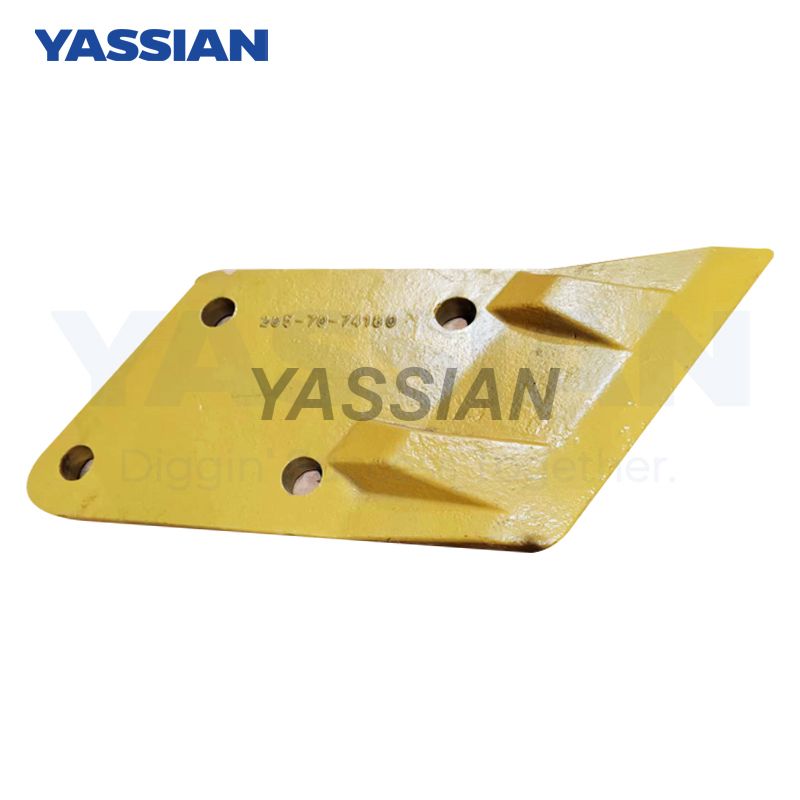
205-70-74180
YASSIAN or Your's
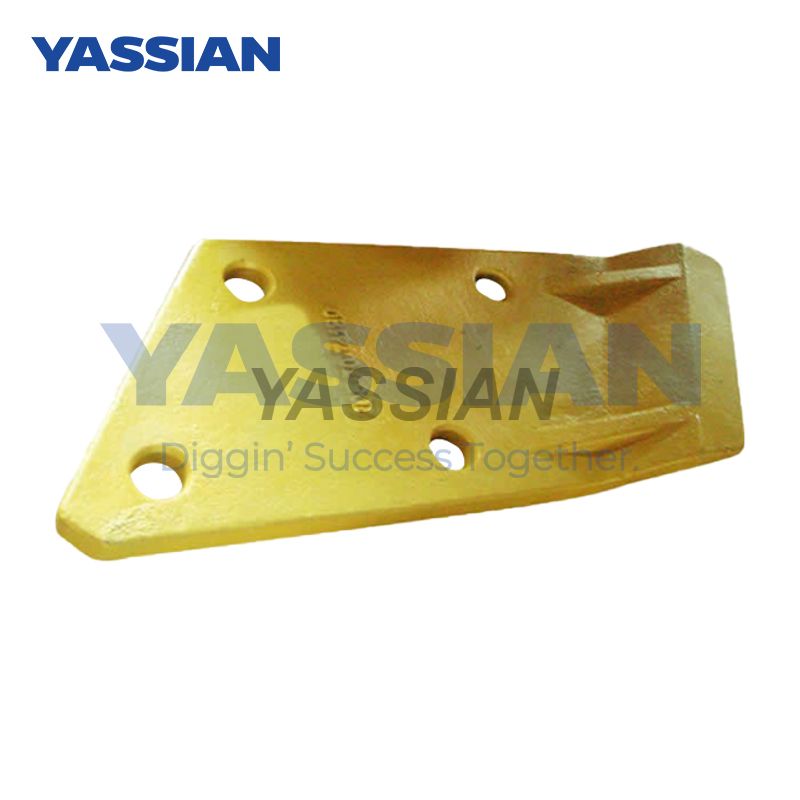
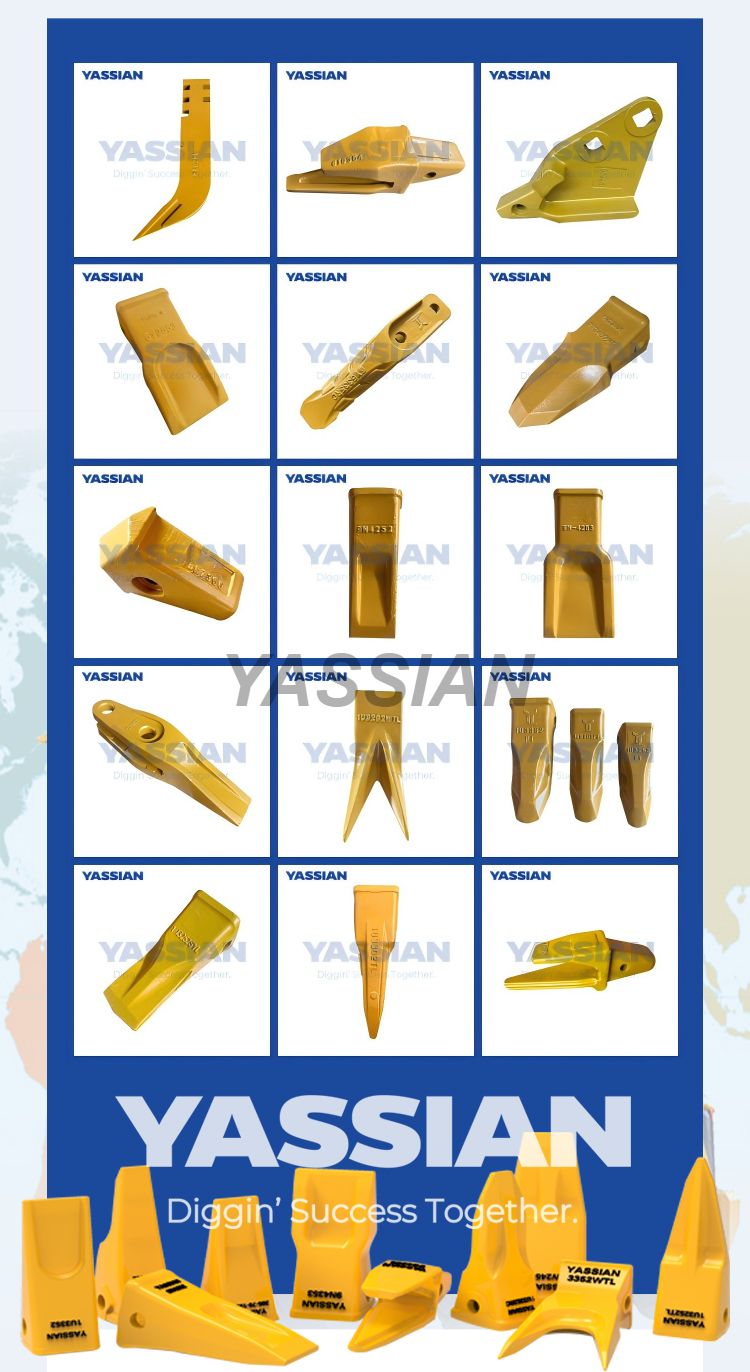
Side Cutters 205-70-74180 Hydraulic Excavator PC200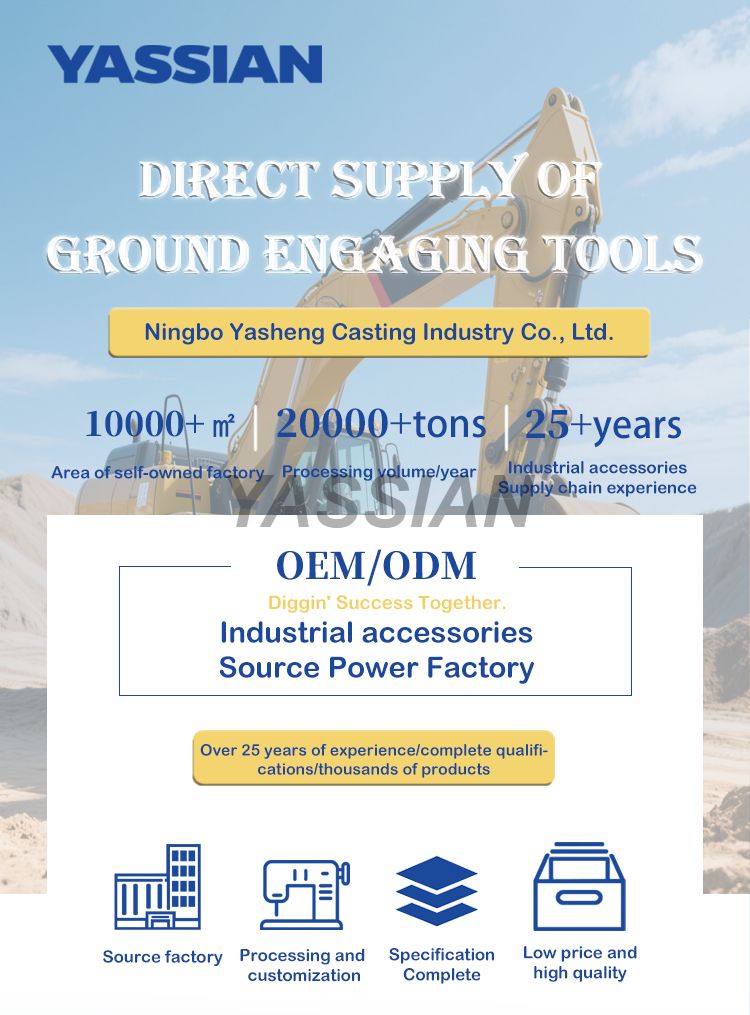

The application of 50Mn steel after high-frequency quenching
After high-frequency quenching treatment, the surface hardness and wear resistance of 50Mn steel are significantly enhanced, while maintaining the toughness of the core. It is suitable for the manufacturing of high-wear and high-load parts in the following key fields:
⚙️ I. transportation field
Train axle
High-frequency quenching reduces the surface hardness to HRC50-55, enabling it to withstand high-speed dynamic loads and track friction, thereby enhancing its fatigue life resistance.
Automobile core component
Crankshaft : Enhanced wear resistance in the alternating stress environment of the engine;
Connecting rod : optimized wear resistance under high impact load;
Transmission gear : Surface hardening reduces meshing wear (requires precision machining).
️ 2. Heavy machinery field
Transmission gear shaft
The drive gear shafts of equipment such as crushers and bulldozers can withstand the wear of ores and high-torque impacts.
Support type shaft fittings
Mandrels : machine tool spindles and rolling mill rollers with a cross-section of ≤80mm, with uniform surface hardening depth;
Friction disc : The friction stability is enhanced after high-frequency quenching, and the service life is prolonged.
⚠️ III. Key points of process control
Hardened layer depth
The effective hardened layer depth is related to the part size. The performance is optimal when the section is ≤80mm. For larger sizes, alloy steel substitution (such as 50Mn2) should be considered.
Defect avoidance
Avoid overheating: The quenching temperature should be strictly controlled below 830℃ to prevent grain coarsening.
Welding risk: Preheating at 200-300℃ is required before welding, and low-hydrogen electrodes should be used to prevent cold cracking.
Co-processing
After high-frequency quenching, low-temperature tempering (150-200℃) should be carried out in a timely manner to eliminate residual stress and stabilize the structure.
Application summary : High-frequency quenching makes 50Mn steel an ideal material with a balance of high surface hardness, wear resistance and core toughness , especially suitable for dynamic wear scenarios such as shafts, gears and friction parts.
Side Cutters 205-70-74180 Hydraulic Excavator PC200
The application of 50Mn steel after high-frequency quenching
After high-frequency quenching treatment, the surface hardness and wear resistance of 50Mn steel are significantly enhanced, while maintaining the toughness of the core. It is suitable for the manufacturing of high-wear and high-load parts in the following key fields:
⚙️ I. transportation field
Train axle
High-frequency quenching reduces the surface hardness to HRC50-55, enabling it to withstand high-speed dynamic loads and track friction, thereby enhancing its fatigue life resistance.
Automobile core component
Crankshaft : Enhanced wear resistance in the alternating stress environment of the engine;
Connecting rod : optimized wear resistance under high impact load;
Transmission gear : Surface hardening reduces meshing wear (requires precision machining).
️ 2. Heavy machinery field
Transmission gear shaft
The drive gear shafts of equipment such as crushers and bulldozers can withstand the wear of ores and high-torque impacts.
Support type shaft fittings
Mandrels : machine tool spindles and rolling mill rollers with a cross-section of ≤80mm, with uniform surface hardening depth;
Friction disc : The friction stability is enhanced after high-frequency quenching, and the service life is prolonged.
⚠️ III. Key points of process control
Hardened layer depth
The effective hardened layer depth is related to the part size. The performance is optimal when the section is ≤80mm. For larger sizes, alloy steel substitution (such as 50Mn2) should be considered.
Defect avoidance
Avoid overheating: The quenching temperature should be strictly controlled below 830℃ to prevent grain coarsening.
Welding risk: Preheating at 200-300℃ is required before welding, and low-hydrogen electrodes should be used to prevent cold cracking.
Co-processing
After high-frequency quenching, low-temperature tempering (150-200℃) should be carried out in a timely manner to eliminate residual stress and stabilize the structure.
Application summary : High-frequency quenching makes 50Mn steel an ideal material with a balance of high surface hardness, wear resistance and core toughness , especially suitable for dynamic wear scenarios such as shafts, gears and friction parts.


